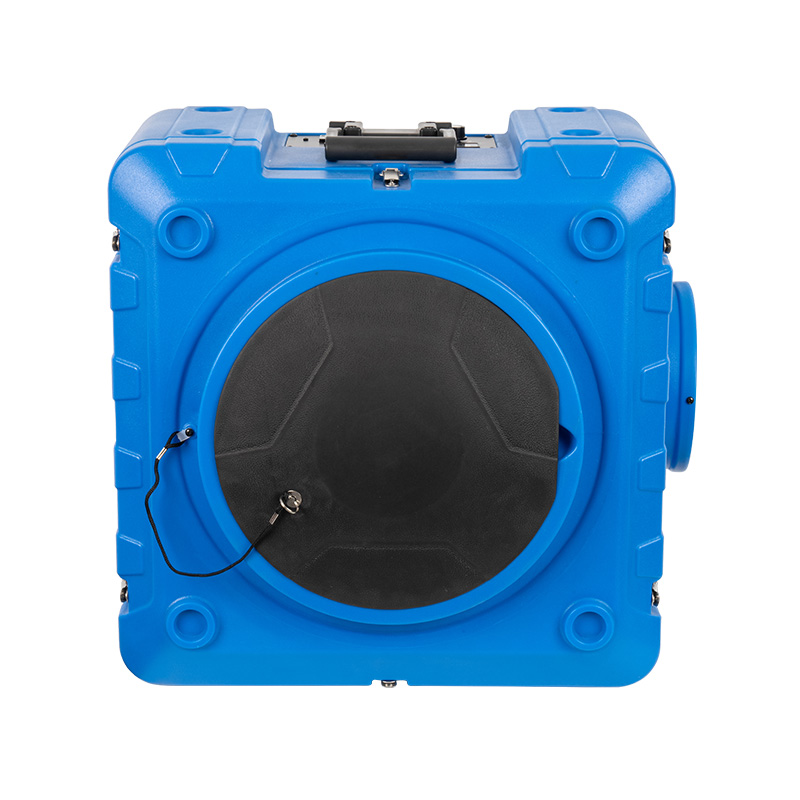
Yes, air scrubbers really work—but how well depends on the type of scrubber, what you're trying to remove, and whether it's matched to your space. High-quality air scrubbers with HEPA filtration can capture 99.97% of airborne particles 0.3 microns or larger, including dust, mold spores, pet dander, and smoke. Models with activated carbon also remove odors and VOCs. However, not all air scrubbers are equally effective, and some—particularly ozone-generating models—carry real health risks. This guide breaks down what the evidence actually says about air scrubber performance, what they can and can't do, and how to pick the right one.
An air scrubber is a device that draws air through one or more filtration stages to remove contaminants before recirculating the cleaned air back into the room. The term is used to describe two distinct categories of products that work very differently:
Standalone units used in homes, offices, or job sites. They pull room air through a series of filters—typically a pre-filter, a HEPA filter, and sometimes an activated carbon layer—and expel clean air back into the space. These are the most common type for residential and light commercial use.
Installed directly into a home's ductwork, these units treat air as it circulates through the heating and cooling system. Products like the RGF REME HALO or ActivePure use UV-C light and photocatalytic oxidation (PCO) to neutralize contaminants throughout the entire home rather than one room at a time.
Both types target airborne pollutants, but through different mechanisms. Understanding this distinction matters because effectiveness, cost, and appropriate use cases vary significantly between them.
The contaminants an air scrubber removes depend entirely on which filtration technologies it uses. Here's a breakdown of what each stage addresses:
| Filtration Stage | What It Removes | Effectiveness |
|---|---|---|
| Pre-filter | Large particles: dust, hair, lint | High for visible particles |
| True HEPA filter | Particles ≥0.3 microns: mold spores, pollen, pet dander, bacteria, PM2.5 | 99.97% capture rate (certified) |
| Activated carbon | Odors, VOCs, smoke gases, formaldehyde | Good; depends on carbon weight |
| UV-C light | Bacteria, viruses, mold spores | Moderate; requires sufficient exposure time |
| Photocatalytic oxidation (PCO) | VOCs, bacteria, viruses, odors | Variable; some models produce ozone as byproduct |
| Ionizer | Particles (charge them to fall from air) | Moderate; particles settle on surfaces, not removed |
The most important distinction: HEPA filtration physically captures and removes particles from the air, while ionizers and some PCO systems only move particles or chemically alter them without extracting them. Only HEPA units have the particle actually leave the air permanently.
The research on air scrubber effectiveness is more nuanced than marketing claims suggest. Here's what credible studies and organizations report:
HEPA-based air scrubbers have a well-documented track record. The U.S. Environmental Protection Agency (EPA) confirms that certified HEPA filters remove at least 99.97% of particles at 0.3 microns—the most penetrating particle size. Studies in clinical settings have shown HEPA air scrubbers reduce airborne fungal spore counts by 50–90% in operating rooms and isolation wards. A 2018 study published in the journal Indoor Air found that portable HEPA air purifiers reduced PM2.5 levels in homes by an average of 45–55% over 24-hour periods.
For allergy sufferers, air scrubbers reduce airborne allergen loads significantly, but they don't eliminate symptoms entirely. That's because allergens like pet dander and dust mite particles also settle on furniture, bedding, and floors—surfaces an air scrubber can't reach. Studies show HEPA air purifiers reduce airborne cat allergen concentrations by 30–50% in typical room settings, which is clinically meaningful but not a complete solution without regular cleaning.
Activated carbon air scrubbers effectively adsorb odors and volatile organic compounds (VOCs), but performance varies dramatically by carbon quantity. Budget units may contain only 1–2 ounces of carbon—enough to provide mild odor control. Professional-grade activated carbon filters contain 5–15 pounds of granular carbon and provide substantially better VOC removal. The EPA notes that carbon filters are most effective for organic compounds but less effective for gases like nitrogen dioxide or carbon monoxide.
HEPA filters do capture virus-carrying aerosol particles. Research during the COVID-19 pandemic showed that HEPA air purifiers in classrooms reduced airborne viral particle concentrations by up to 90% when units were appropriately sized for the room. UV-C additions can inactivate pathogens, but only particles that pass directly in front of the lamp are treated—effectiveness depends heavily on airflow rate and lamp intensity.
The terms "air scrubber" and "air purifier" are often used interchangeably in consumer marketing, but there are meaningful distinctions—especially in professional contexts.
| Feature | Professional Air Scrubber | Consumer Air Purifier |
|---|---|---|
| Airflow capacity (CFM) | 500–2,000+ CFM | 50–400 CFM |
| Primary use case | Construction, remediation, industrial | Home and office air quality |
| Filter replacement cost | $50–$200+ per cycle | $20–$80 per year |
| Unit cost | $500–$3,000+ | $50–$600 |
| Portability | Heavy-duty, industrial wheels | Lightweight, room-to-room |
| Negative air capability | Yes (duct to exterior) | No |
For most homeowners, a high-quality consumer air purifier with true HEPA filtration accomplishes the same goals as a residential air scrubber. Professional air scrubbers are overkill for everyday home use but essential for post-flood remediation, asbestos abatement, or major renovation work.
When evaluating whether an air scrubber will really work for your space, the most reliable metric is CADR—Clean Air Delivery Rate. Measured in cubic feet per minute (CFM), CADR tells you how much clean air the unit produces per minute for three specific pollutant types: smoke, dust, and pollen.
The Association of Home Appliance Manufacturers (AHAM) recommends that your air scrubber's CADR rating be at least two-thirds of your room's square footage. For a 300 sq ft room, you need a CADR of at least 200 CFM. Here's a practical reference:
| Room Size | Minimum CADR (CFM) | Air Changes Per Hour (ACH) |
|---|---|---|
| 150 sq ft (small bedroom) | 100 CFM | 4–5 ACH |
| 300 sq ft (large bedroom) | 200 CFM | 4–5 ACH |
| 500 sq ft (open living area) | 333 CFM | 4–5 ACH |
| 800 sq ft (large open plan) | 533 CFM | 4–5 ACH |
An air scrubber that's too small for the room is one of the most common reasons people conclude that air scrubbers "don't work." Undersizing by 50% can reduce effective pollutant removal by a similar margin.
Air scrubbers deliver the most measurable benefit in specific situations. If your needs match these scenarios, the evidence strongly supports their effectiveness:
Understanding the limits of air scrubbers is just as important as knowing their strengths. Mismatched expectations are the primary source of disappointment with these devices.
Some air scrubbers and "air purifiers" use ozone generation as their primary cleaning mechanism. These are sold with claims that ozone destroys odors, bacteria, and mold. The EPA, FDA, and California Air Resources Board all warn against using ozone generators in occupied spaces.
Ozone (O₃) is a lung irritant. At concentrations needed to effectively neutralize contaminants, ozone exceeds safe exposure limits for humans and pets. Concentrations above 0.07 ppm (the EPA's 8-hour standard) can cause chest pain, coughing, and worsen asthma. Many ozone-generating devices marketed as air scrubbers produce levels far exceeding this threshold.
If an air scrubber product prominently markets "ozone" or "activated oxygen" as a feature for occupied rooms, treat this as a red flag. HEPA and activated carbon systems achieve real air cleaning without the health risks associated with ozone.
Based on what the evidence shows, here are the criteria that separate effective air scrubbers from underperforming ones:
Air scrubbers with true HEPA filtration are among the most evidence-backed tools available for improving indoor air quality. The science is clear: correctly sized HEPA air scrubbers genuinely reduce airborne particles, allergens, mold spores, smoke, and in many cases bacteria and viruses. The failure cases—units that disappoint users—almost always trace back to three problems: buying a unit too small for the room, purchasing a device without true HEPA certification, or expecting an air scrubber to solve source-level problems it was never designed to address.
For most people dealing with allergies, asthma, pet dander, smoke, or general indoor air quality concerns, a $100–$300 true HEPA air scrubber correctly sized for the room will deliver real, measurable improvement. It won't solve every air quality problem, but as part of a broader strategy that includes source control and regular cleaning, it is a genuinely effective tool—not marketing hype.
Háromfokozatú szűrés: A légtisztító háromlépcsős szűrőrendszerrel rendelkezik, amely előszűrőt (MERV-10), szénszűrőt és H13 HEPA szűrőt tartalmaz. Hatékonyan távolítja el a port, a pollent, a füstö...
Lásd a részleteket
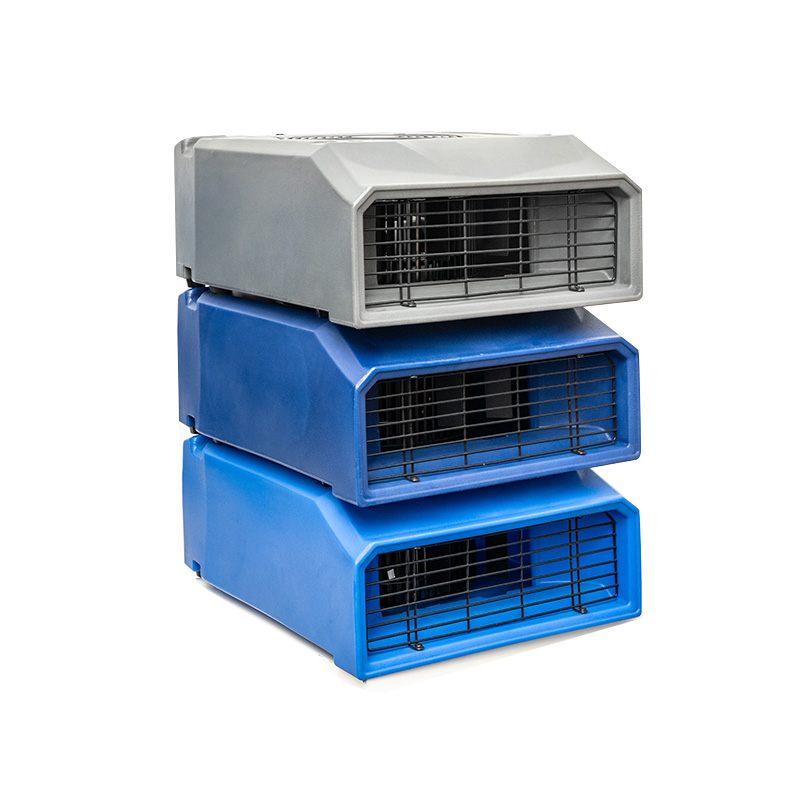
Az AM-B01 nagy levegőmennyiségű vékony szőnyegszárítók erős motorral vannak felszerelve, amely nagy mennyiségű légáramot generál, hogy a szőnyeg alaposan és gyorsan megszáradjon. Ez a nagy levegőme...
Lásd a részleteket
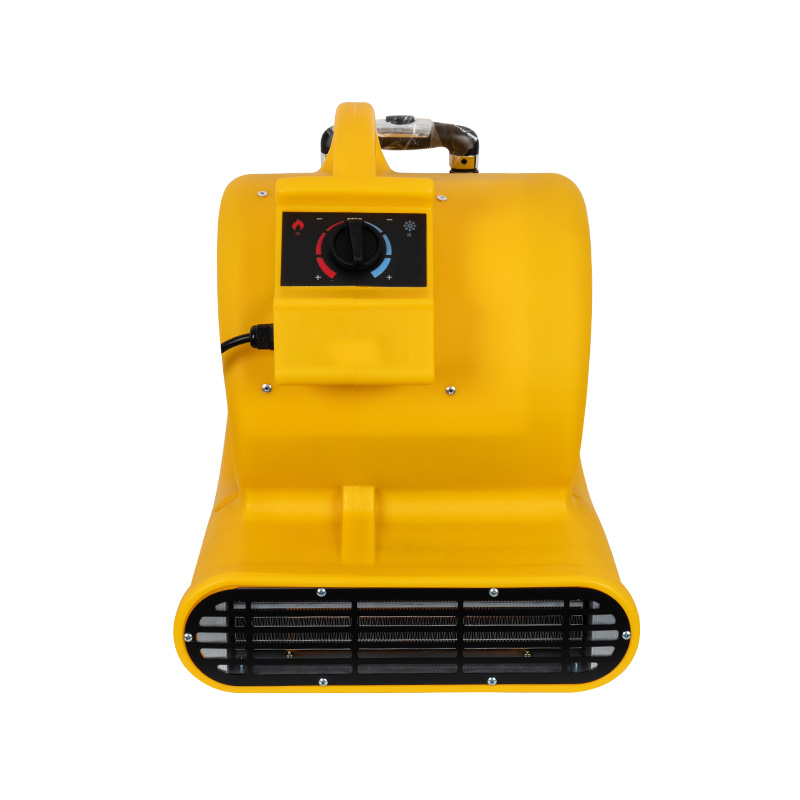
Az AM-A01 meleg és hideg szőnyegszárító ventilátorok sokoldalú egységek, amelyek célja a szőnyegszárítási folyamat felgyorsítása hideg és meleg levegő felhasználásával. A hideg és meleg levegő keri...
Lásd a részleteket
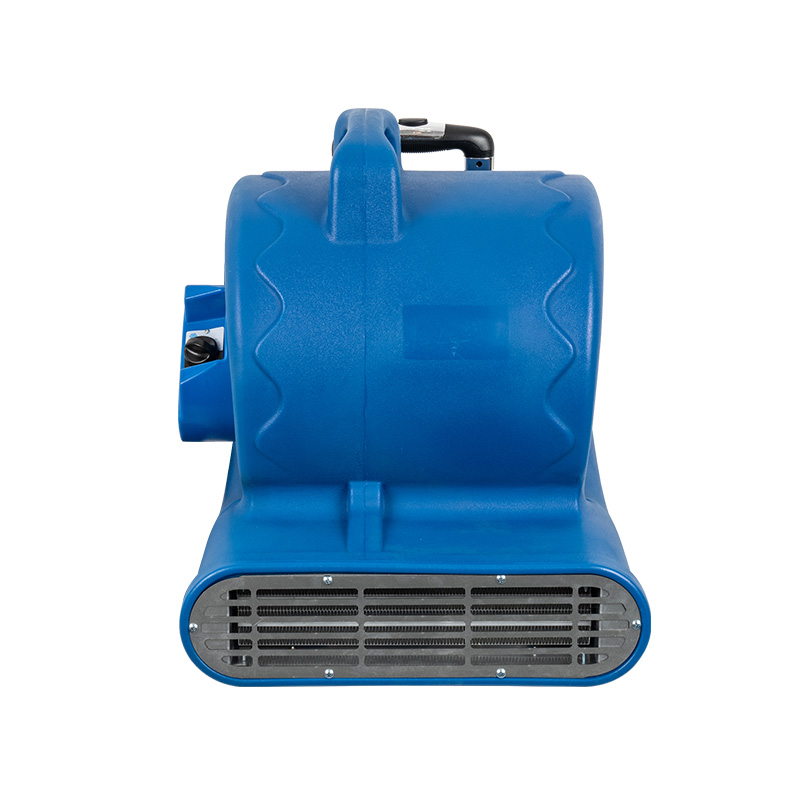
Az AM-A02 többszárnyú centrifugális szélkerekes szőnyegszárítók hatékonyan növelik a szélerőt és a légáramlást a gyorsabb és hatékonyabb szőnyegszárítás érdekében a többszárnyú centrifugális szélke...
Lásd a részleteket
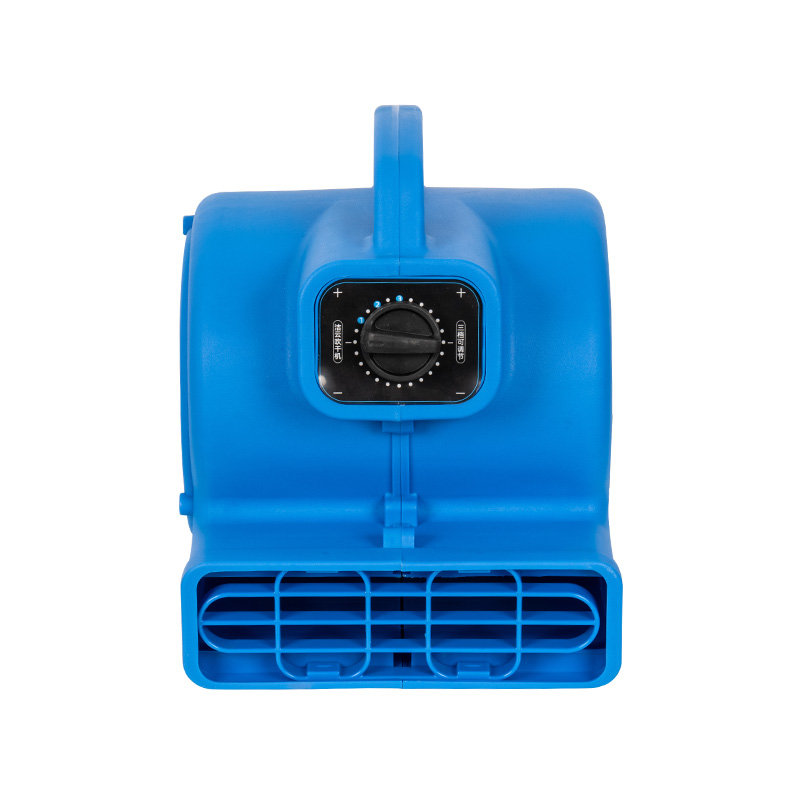
Az AM-A03 kisméretű axiális padlószőnyegszárító egy rendkívül hatékony és sokoldalú szárító egység centrifugális légmozgató berendezéssel a gyorsabb felületszárítás érdekében. Nemcsak szőnyegek, pa...
Lásd a részleteket
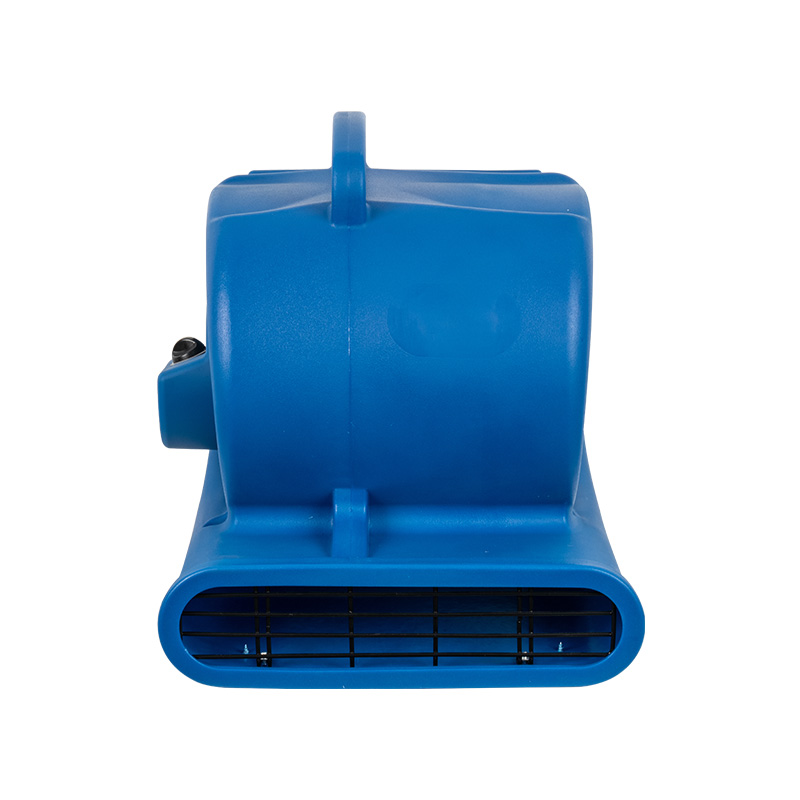
Az AM-A04 könnyű hordozható szőnyegpadlószárító fejlett centrifugális légmozgatási technológiával rendelkezik a gyorsabb felületszárítás érdekében. Nem csak a szőnyeg-, padló-, bútor-, ablak- és fa...
Lásd a részleteketStore információ
No. 88, Yuexin Road, Sanjiang Street, Shengzhou City, Shaoxing City, Zhejiang tartomány, Kína
+86-13819532379
Linkek
Termékek
Mobil terminál