Direct Answer
Yes — a fan will help dry carpet, but on its own it usually needs 4 to 12 hours of continuous, correctly-positioned airflow to fully dry a soaked area, and that window matters because mold can start colonizing wet carpet padding in as little as 24 to 48 hours. A household box fan works for light dampness; a flat, low-profile carpet dryer fan (also called an air mover) is the tool to reach for after a spill, leak, or flood, because it pushes far more air directly across and under the fibers than a standard fan can.
The carpet itself doesn't tell you much by looking at it. Fibers can feel dry to the touch while the padding underneath and the subfloor beneath that stay saturated for days, quietly feeding mold in the dark. The job of a fan isn't just to move air across a room — it's to strip the thin layer of humid air sitting right at the carpet surface and replace it with drier air fast enough that water keeps evaporating instead of just sitting there. That distinction is the difference between a fan that helps and a fan that barely makes a dent.
A typical box fan or pedestal fan is built to circulate room air for comfort, not to force air through dense, water-logged fibers. Most household fans move somewhere in the range of 100 to 1,000 cubic feet per minute (CFM), a measurement of how much air the unit pushes every minute. That's enough to cool a room, but it's a diffuse breeze rather than a focused stream, so most of that airflow skims over the carpet's surface instead of driving down into the pile and padding where the trapped water actually is.
Purpose-built carpet drying fans, sometimes sold as air movers, are rated between roughly 600 and 4,000+ CFM and are shaped specifically to solve this problem. Their housings are flat and low to the ground, often under 12 inches tall, so the unit can sit directly on the carpet and blast air across the surface at a steep, focused angle instead of scattering it into the open room. That flat profile is precisely why they're often marketed as flat carpet dryer fans — the shape is functional, not cosmetic. A low, wide outlet keeps the airstream hugging the fibers rather than lifting off into the ceiling.
Carpet has three layers that trap moisture differently: the visible pile, the padding underneath, and the subfloor. Padding is usually the slowest to dry because it's sandwiched between two barriers. A fan aimed only at the top of the carpet can leave padding wet for days after the surface already feels fine.
Airflow requirement scales with how wet the carpet is and how large the affected area is, not with room size. A coffee spill blotted within minutes might dry with a single household fan run for a few hours. A carpet soaked through from a burst pipe or an inch of standing water needs sustained, high-CFM airflow — the kind a dedicated carpet drying fan or air mover provides — often paired with a dehumidifier to pull the resulting moisture out of the air instead of letting it recondense back into the fibers overnight.
Not every damp patch needs industrial equipment, and not every flood will respond to a fan borrowed from the bedroom. The table below breaks down which situations call for which type of airflow, so the choice isn't guesswork.
| Situation | Recommended fan type | Typical CFM | Expected dry time |
|---|---|---|---|
| Small spill, blotted quickly | Standard box or pedestal fan | 100–300 CFM | 1–4 hours |
| Damp carpet after steam cleaning | Household fan + open windows | 200–600 CFM | 4–8 hours |
| Soaked carpet from a leak or overflow | Flat, low-profile carpet dryer fan | 600–1,200 CFM | 6–12 hours |
| Flooded room or multiple soaked rooms | High-CFM air mover + dehumidifier | 1,500–4,000 CFM | 12–24+ hours, often with padding removal |
Placement changes outcomes more than most people expect. A carpet drying fan aimed straight down does very little; angled correctly, the same unit can cut hours off the process.
Airflow has limits, and recognizing when to call in extraction equipment or a restoration professional prevents a small water problem from becoming a mold or subfloor problem.
If a fan run overnight hasn't visibly reduced dampness by morning, the airflow is being outmatched by the amount of water present. That's the signal to add a dehumidifier, bring in a higher-CFM unit, or lift the carpet rather than simply running the same fan longer.
For anyone handling this without professional equipment, a simple routine gets the most out of whatever fan is on hand.
Blot or wet-vacuum any standing water first. A fan can't compete with liquid water sitting on the surface — it can only evaporate a thin film at a time.
Set the fan low, angled across the wet area, with the carpet edge lifted if the padding is affected. Add a second fan if the area is larger than a few square feet.
Run continuously rather than in short bursts, and check the padding every few hours by pressing down firmly. Continuous airflow is what keeps evaporation ahead of reabsorption.
Bottom Line
A fan is genuinely useful for drying carpet, but its usefulness depends entirely on matching CFM and positioning to how wet the carpet actually is.
For light dampness, a household fan run for a few hours is often enough. For anything soaked through — a leak, an overflow, or standing water — a flat, low-profile carpet dryer fan with real CFM behind it, ideally paired with a dehumidifier, is what closes the gap before the 24-to-48-hour mold window runs out.
Háromfokozatú szűrés: A légtisztító háromlépcsős szűrőrendszerrel rendelkezik, amely előszűrőt (MERV-10), szénszűrőt és H13 HEPA szűrőt tartalmaz. Hatékonyan távolítja el a port, a pollent, a füstö...
Lásd a részleteket
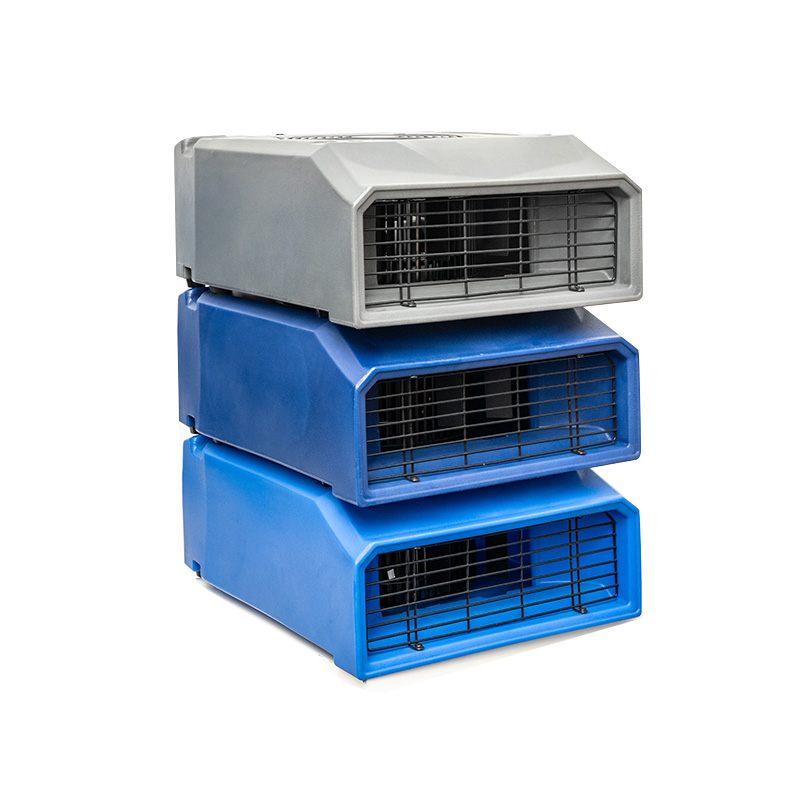
Az AM-B01 nagy levegőmennyiségű vékony szőnyegszárítók erős motorral vannak felszerelve, amely nagy mennyiségű légáramot generál, hogy a szőnyeg alaposan és gyorsan megszáradjon. Ez a nagy levegőme...
Lásd a részleteket
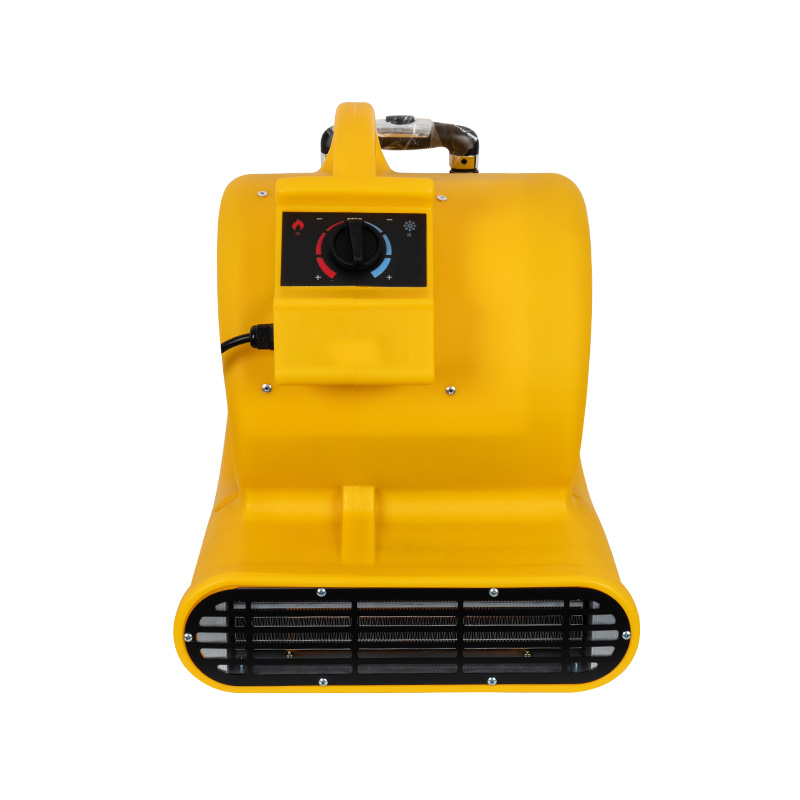
Az AM-A01 meleg és hideg szőnyegszárító ventilátorok sokoldalú egységek, amelyek célja a szőnyegszárítási folyamat felgyorsítása hideg és meleg levegő felhasználásával. A hideg és meleg levegő keri...
Lásd a részleteket
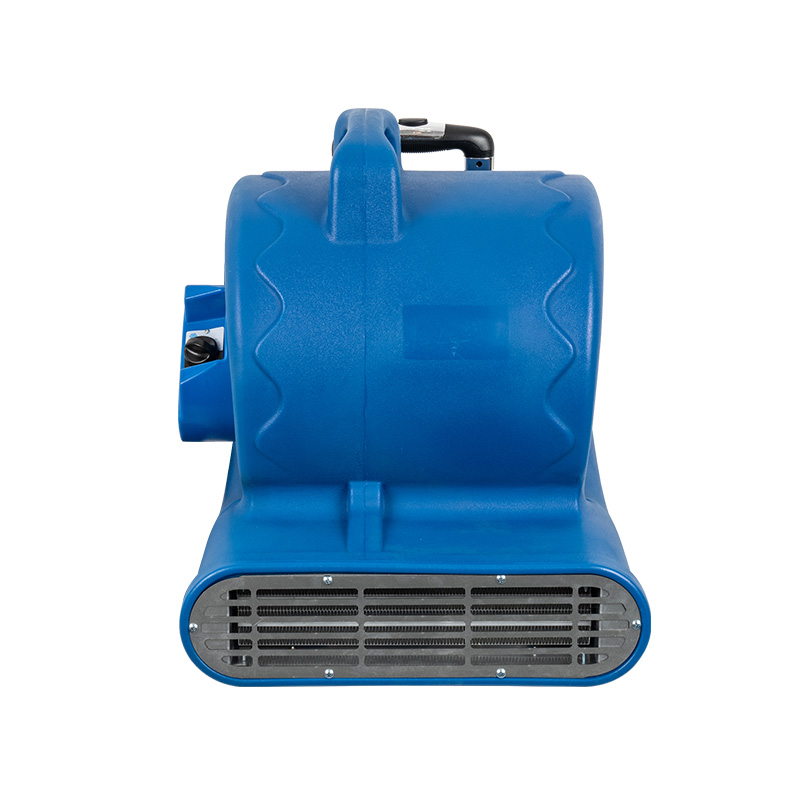
Az AM-A02 többszárnyú centrifugális szélkerekes szőnyegszárítók hatékonyan növelik a szélerőt és a légáramlást a gyorsabb és hatékonyabb szőnyegszárítás érdekében a többszárnyú centrifugális szélke...
Lásd a részleteket
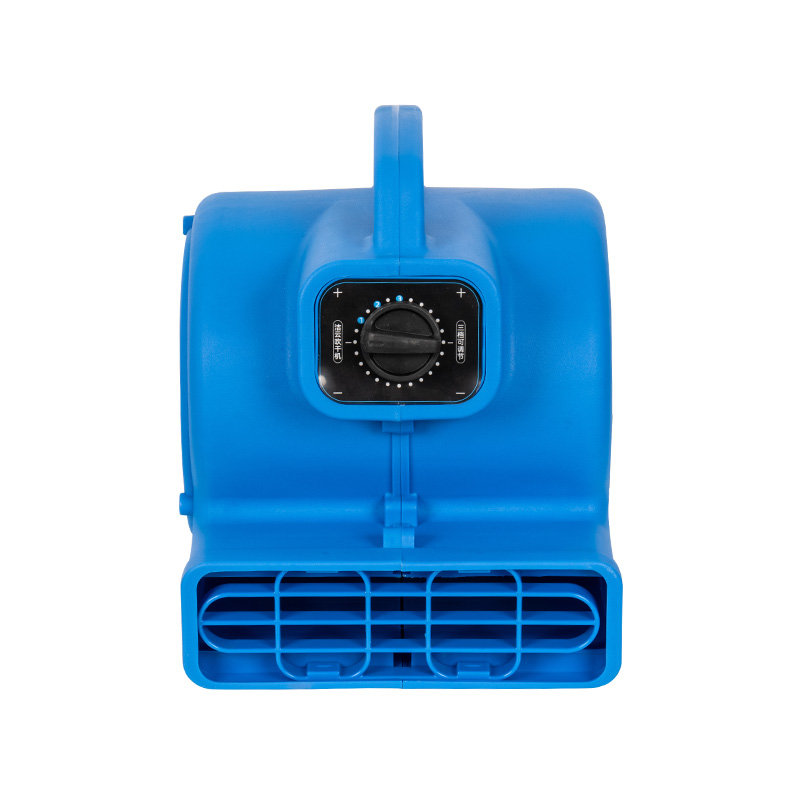
Az AM-A03 kisméretű axiális padlószőnyegszárító egy rendkívül hatékony és sokoldalú szárító egység centrifugális légmozgató berendezéssel a gyorsabb felületszárítás érdekében. Nemcsak szőnyegek, pa...
Lásd a részleteket
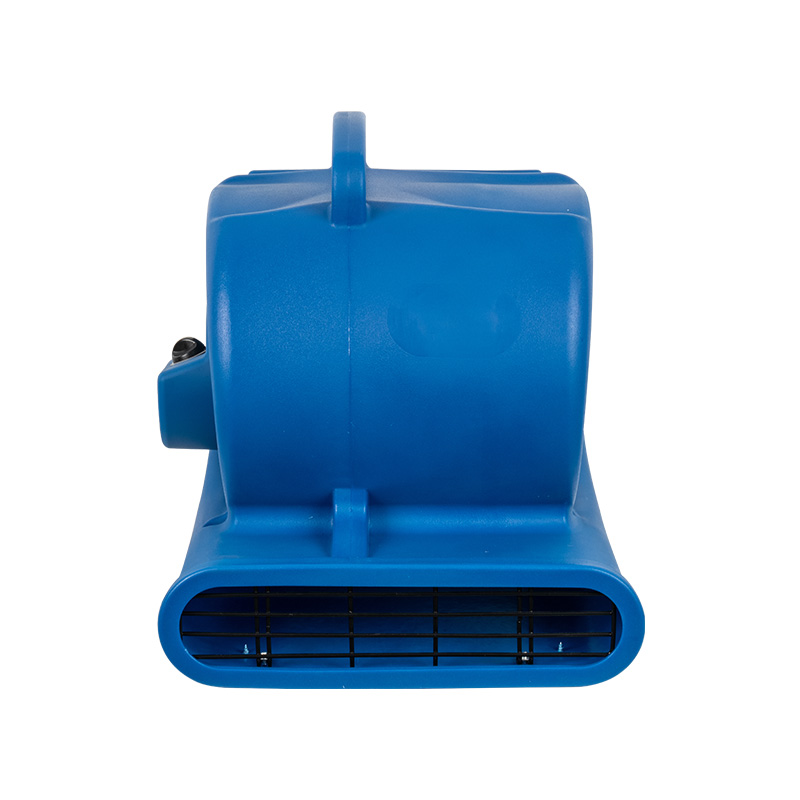
Az AM-A04 könnyű hordozható szőnyegpadlószárító fejlett centrifugális légmozgatási technológiával rendelkezik a gyorsabb felületszárítás érdekében. Nem csak a szőnyeg-, padló-, bútor-, ablak- és fa...
Lásd a részleteketStore információ
No. 88, Yuexin Road, Sanjiang Street, Shengzhou City, Shaoxing City, Zhejiang tartomány, Kína
+86-13819532379
Linkek
Termékek
Mobil terminál